
Safety first, always
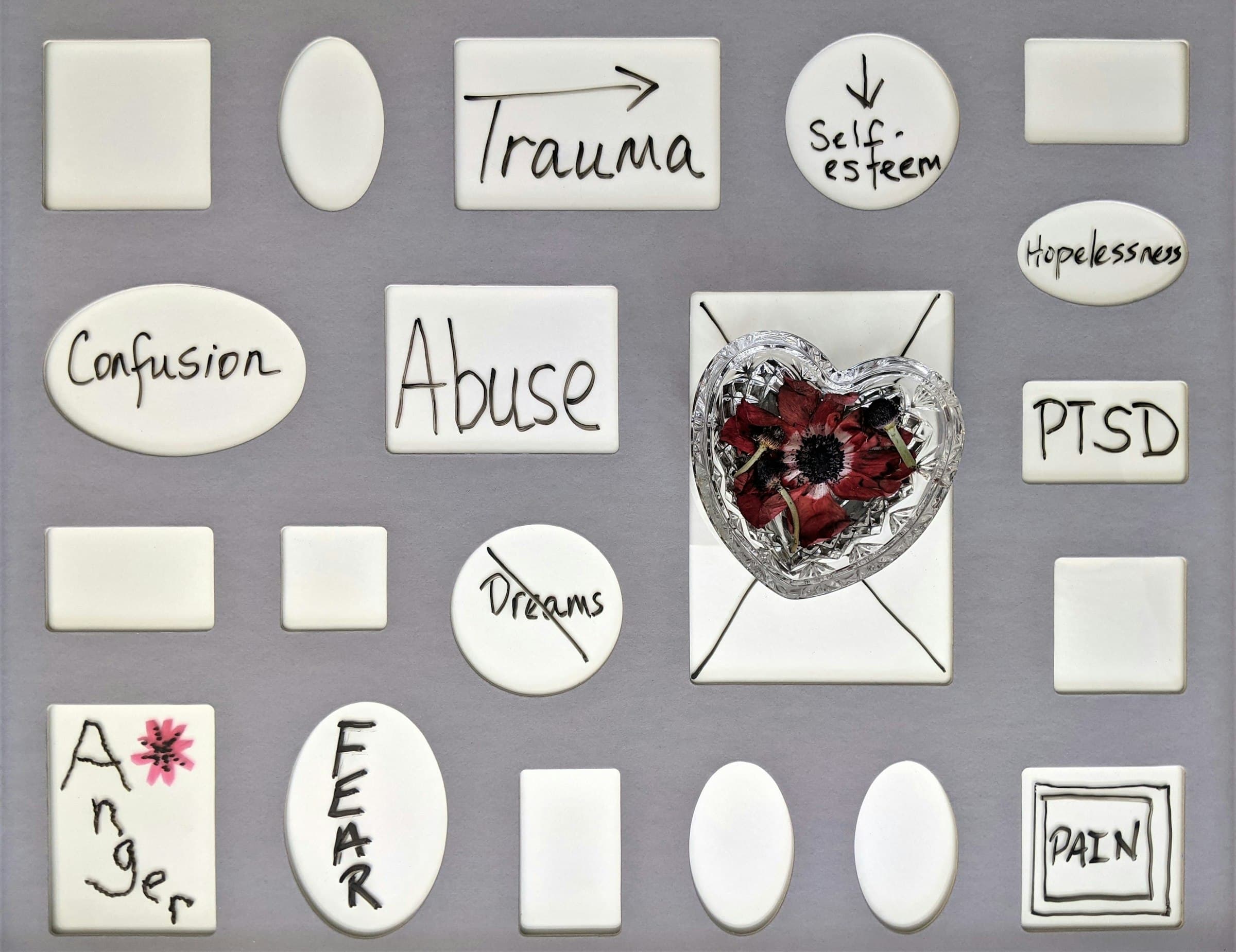
Trauma-informed business coaching acknowledges that founders carry lived experiences—burnout, rejection, financial scares, masking—that shape how they lead today. We open every engagement with a safety audit: triggers, preferred communication styles, and boundaries that need reinforcing. Nothing strategic begins until we know how to keep the nervous system anchored.
This audit influences everything. Session agendas include sensory resets. Agreements clarify how to pause. We ensure there is always an exit ramp when a conversation digs too deep, and we follow up with grounding practices rather than homework. It is part of what it means to work with an ADHD founder coach who takes your nervous system as seriously as your P&L.
Coaching sessions become regulation labs
Trauma-informed coaching blends somatic tools with strategic conversation. We may start with orienting exercises, breath work, or gentle movement before we touch operations. The intent is to bring the founder into the present so decisions are made from choice, not hypervigilance.
During tough topics—team conflict, revenue dips, capacity fears—we slow the pace. We track body cues, name emotions, and translate them into operational needs. That translation is crucial: it prevents old wounds from dictating new strategy.
Honour consent in experimentation
The Momentum Model still applies, but experiments are co-designed through consent. We ask:
- What feels possible right now?
- What support will you need when this experiment rubs against old narratives?
- How will we know it is time to pause or renegotiate?
Experiments shrink in scope when the nervous system is already exhausted. They expand as capacity grows. Progress is measured by regulation as much as revenue.
Design team containers that reduce re-traumatisation
Trauma-informed coaching extends beyond the founder. We help leaders create communications agreements, meeting cadences, and project rituals that protect the whole team. Examples include:
- Clear escalation paths that never punish someone for asking for help.
- Decision logs so context is shared without forcing synchronous meetings.
- Celebration practices that spotlight effort and growth, not just wins.
These containers make the organisation safer for everyone, including neurotypical teammates who benefit from clarity.
Rebuild trust with yourself
Many ADHD leaders have internalised the belief that they are unreliable. Trauma-informed coaching interrupts that narrative by documenting evidence of follow-through. We archive experiments, store gratitude from clients, and highlight micro-moments of leadership. Over time the founder sees proof that they can be trusted with their own ambition.
We also introduce “permission slips” tailored to trauma history: reminders that rest is allowed, that boundaries can be reasserted, that slowing down is a strategic choice. These scripts sit in dashboards, calendars, and meeting notes so the founder never feels alone in resetting pace.
Integration is part of the plan
Every engagement closes with an integration phase. We name what healed, what still needs care, and which supports should remain in place. Some leaders continue with neurodiversity coaching, others transition into focused business mentoring retainers for growth initiatives. The throughline is the same: strategy stays tethered to safety.
Trauma-informed does not mean fragile. It means the coaching container is strong enough to hold the weight you have carried for years.
For a fuller breakdown of how we fuse trauma-informed practice with strategy, revisit the ADHD founders guide or book a conversation to map the next experiment at a pace that feels honest.