
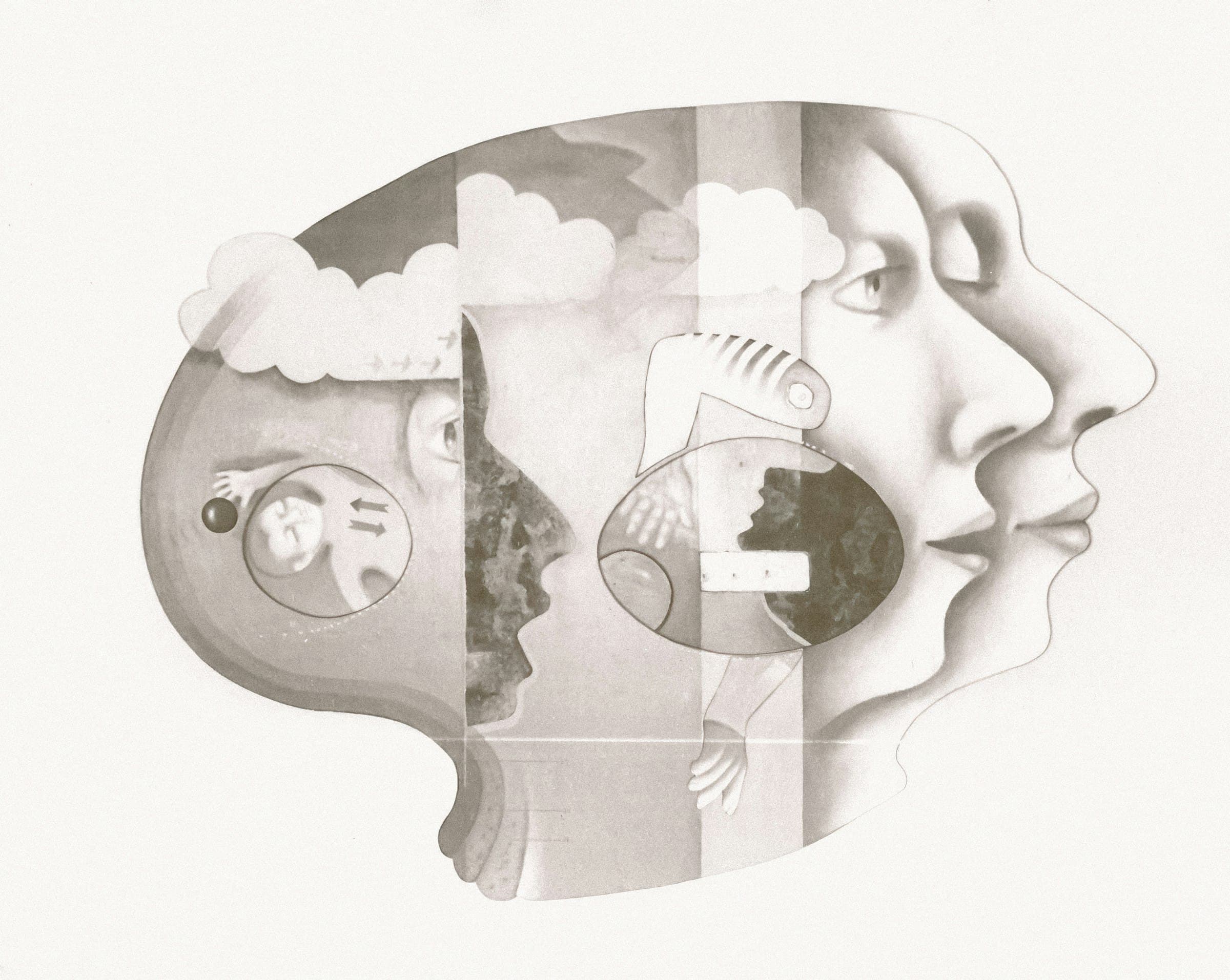
ADHD founders are not bad at executive function—they are managing more variables
Executive function is the mental toolkit that keeps projects moving: working memory, prioritisation, sequencing, emotional regulation. ADHD brains are brilliant at ideation and pattern spotting, yet struggle when multiple invisible steps pile up. That does not mean you lack discipline. It means conventional systems assume a neurotypical baseline.
In Talintyre coaching we start by naming what is already working. If your brain jumps between ideas, we use that as a strength: we capture sparks quickly and route them into a structure that will hold them until you are ready. When founders see their cognition as data—not a flaw—they stop wasting energy masking and start architecting supports. This is exactly what it looks like to work with an ADHD founder coach who treats your wiring as the starting point, not the obstacle.
Map friction before choosing tools
Most ADHD entrepreneurs are told to “just use a better app.” Tools only work when they wrap the real friction. Begin with three questions:
- Where does the task fall apart? Is it the moment you need to start, when you switch contexts, or when you need to finish?
- What sensory stressors show up? Noise, visual clutter, constant notifications, conflicting priorities.
- What story are you telling yourself? “I should already know how to do this” creates shame loops that stall momentum.
Documenting friction turns the abstract “I can’t keep up” into solvable patterns. We use Talintyre’s Momentum Model to run a short diagnostic: capture friction points, interpret them with compassion, and create hypotheses rather than judgements.
Translate friction into scaffolding
Once patterns are visible, the goal is not to eliminate differences—it is to scaffold them. Examples from client work:
- Working memory gaps → Build rolling agendas where every idea is captured in the moment. Use shared docs or voice notes that auto-transcribe into your workspace.
- Task initiation → Pair each commitment with a five-minute “front door.” That might be a phone reminder that links directly to the task context, or an accountability message you send to your own Slack channel.
- Emotional overload → Segment decisions. Instead of “Write investor update,” create three micro steps: gather wins, gather risks, draft next actions. Celebrate each checkpoint.
Co-regulation beats solo discipline
ADHD founders thrive with external structures that feel kind. Co-regulation is the practice of sharing the load of executive function so the founder’s nervous system can relax into focus.
Choose your co-regulation crew
- Anchor person: A coach, operations lead, or trusted peer who reflects progress and holds space when shame spikes.
- Rhythm buddy: Someone who shares work sessions or async accountability check-ins so you are not sprinting alone.
- System steward: A tool or person who maintains the shared board or CRM so it stays usable even when your energy dips.
Inside Talintyre engagements we often run fortnightly Momentum Reviews. We check experiments, reset priorities, and decide which supports need to be dialled up or down. Founders leave with clarity and a documented plan—not a vague sense of “try harder.”
Build rituals that reset attention
Co-regulation also means designing rituals that reset your nervous system:
- Transition playlists to move between deep work and meetings.
- Sensory kits near your desk: noise-cancelling headphones, grounding objects, weighted blankets for late-night strategy.
- Permission scripts that you pin above your monitor: “I am allowed to pause.” “I can choose one lever today.”
Momentum experiments keep focus flexible
Executive function thrives when tasks are contextualised. In the Momentum Model we design 90-day experiments. Each experiment includes:
- Purpose – Why this matters to you, not just the business.
- Constraints – Hours per week, available support, energy levels.
- Indicators – What progress looks like beyond binary success/failure.
- Review cadence – When you will check in and who joins you.
For example, an ADHD founder struggling with sales follow-up designed a “Relationship Rhythm” experiment: two 45-minute blocks per week, templated notes, and an operations buddy who prepared the list. After three weeks the founder reported, “This doesn’t feel like chasing anymore. It feels like generosity.”
Create a strengths inventory
The most sustainable executive function systems elevate what already works. Run a quick audit:
- What decisions feel effortless? Those reveal intuitive strengths you can build on.
- What projects have you completed despite difficulty? Reverse engineer the supports that were in place—time of day, environment, collaborator.
- Which clients energise you? Anchor your calendar around work that lights up your dopamine pathways.
A strengths inventory avoids the trap of designing everything around deficits. Instead, you position your executive function supports as amplifiers.
Convert insights into next steps
- Document friction with compassion. Use the Momentum Model journal prompts to map patterns.
- Choose one co-regulation ritual to pilot this month.
- Design a 90-day experiment with indicators tied to how you want to feel, not just business metrics.
- Share your strengths inventory with your team so everyone knows how to support collective momentum.
When you approach executive function as a design problem instead of a character flaw, you reclaim authority over your energy. Structures become a gift, not a cage.
“Working with Talintyre means I finally have scaffolding that feels kind. I still have ADHD, but now my systems do too.”
Ready to build executive function supports that respect your brain? Explore the full ADHD founders pillar, dive into trauma-informed business coaching for ADHD leaders, or book a calm 30-minute call to map your next experiment together.